Pancreatitis: Symptoms, Causes and When Surgery Is Needed
What pancreatitis is, the warning symptoms, the role of gallstones and alcohol, diet, and when surgery is needed.
Read Article
Director – HPB & Liver Transplant SurgeryHPB & Liver Transplant Surgeon

Expert Care. Better Outcomes.
Pancreatic surgery treats tumours, cysts, chronic pancreatitis and pancreatic cancer. We use advanced surgical techniques for precise treatment, faster recovery and a better quality of life.
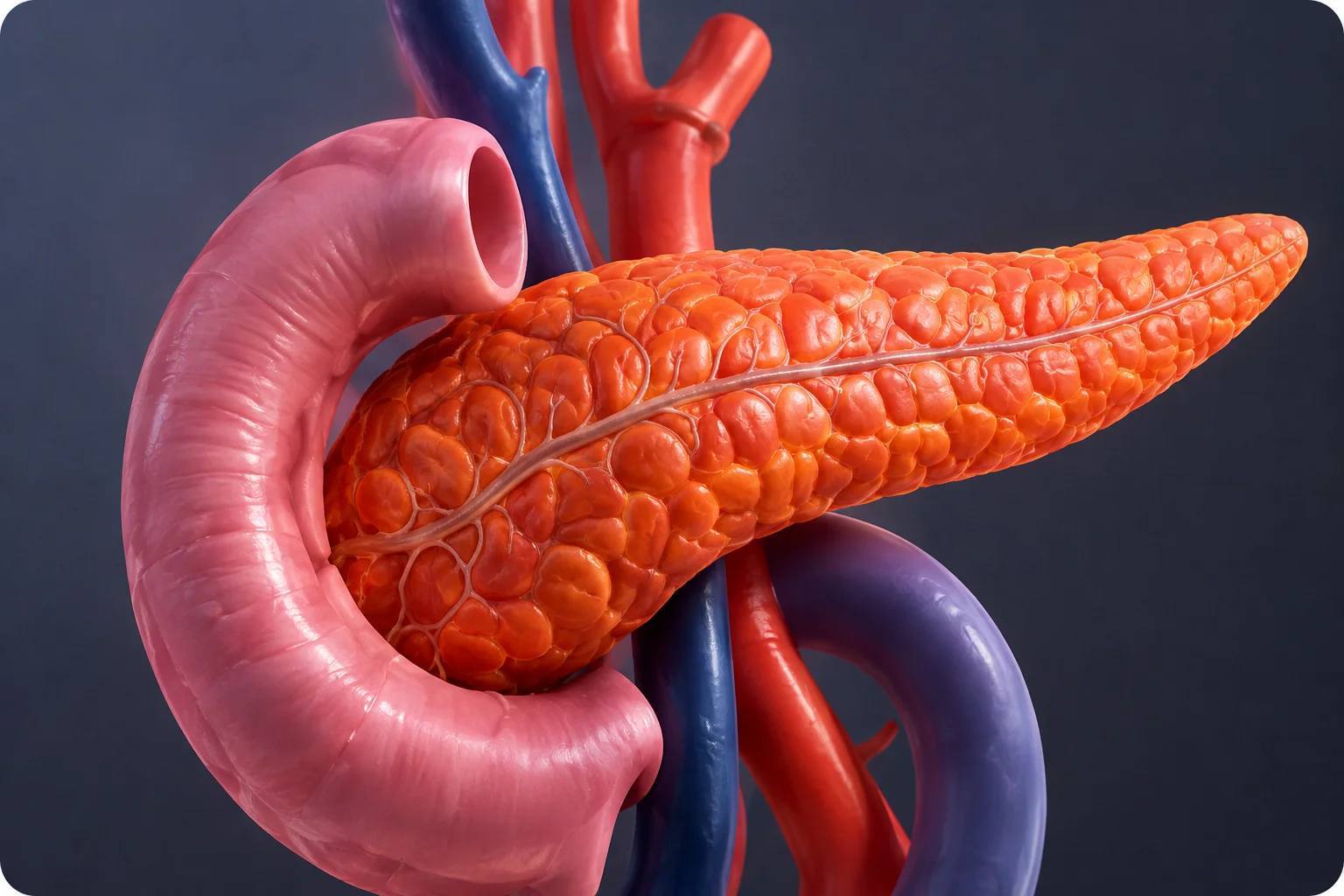
The pancreas lies deep in the abdomen, close to major blood vessels, the bile duct and the intestine — which makes pancreatic surgery among the most complex in abdominal surgery.
Our goal is to remove the disease safely while preserving as much pancreatic function as possible. Common operations include the Whipple procedure, distal pancreatectomy and drainage procedures for chronic pancreatitis.

We treat a wide range of pancreatic conditions.





A patient-focused approach for the best outcomes.
History, examination and imaging to confirm the diagnosis.
A personalised plan based on the condition.
Precision surgery using advanced techniques.
Close monitoring and support for a smooth recovery.
Regular follow-ups for complete healing.
Expertise. Compassion. Better Outcomes.
Focused experience in complex liver, pancreas, bile duct and transplant surgery.
Laparoscopic and robotic surgery with modern imaging and operating theatres.
A treatment plan built around each patient’s condition, health and goals.
Careful patient selection and protocols aimed at the safest possible result.
Hepatologists, anaesthetists, intensivists and nurses working as one team.
Structured follow-up and recovery guidance after you go home.
Pancreatic surgery may be needed for pancreatic cancer, benign or pre-cancerous tumours and cysts, neuroendocrine tumours, chronic pancreatitis with severe pain or blockage, and pancreatic injury.
The Whipple procedure (pancreaticoduodenectomy) removes the head of the pancreas along with part of the small intestine, the gallbladder and the end of the bile duct, then reconnects them. It is the main operation for tumours in the head of the pancreas.
Pancreatic surgery is a major operation, and results are best in specialised HPB centres with experienced surgeons and intensive care support. Careful patient selection and post-operative care keep risks as low as possible.
After a Whipple procedure most patients stay 7–12 days; after smaller operations the stay is shorter. Full recovery usually takes 6–8 weeks.
Some patients need enzyme supplements to digest food, and a few may need diabetes management. Small, frequent meals are usually advised at first. Your team will guide you.
What pancreatitis is, the warning symptoms, the role of gallstones and alcohol, diet, and when surgery is needed.
Read ArticleComprehensive care for liver failure and end-stage liver disease.
Learn MoreAdvanced surgery for liver, pancreas and bile duct disorders.
Learn MoreExpert care for primary and metastatic liver cancer.
Learn MoreAdvanced surgery for gallstones and gallbladder diseases.
Learn MoreOur team is here to guide you with expert care and advanced treatment.